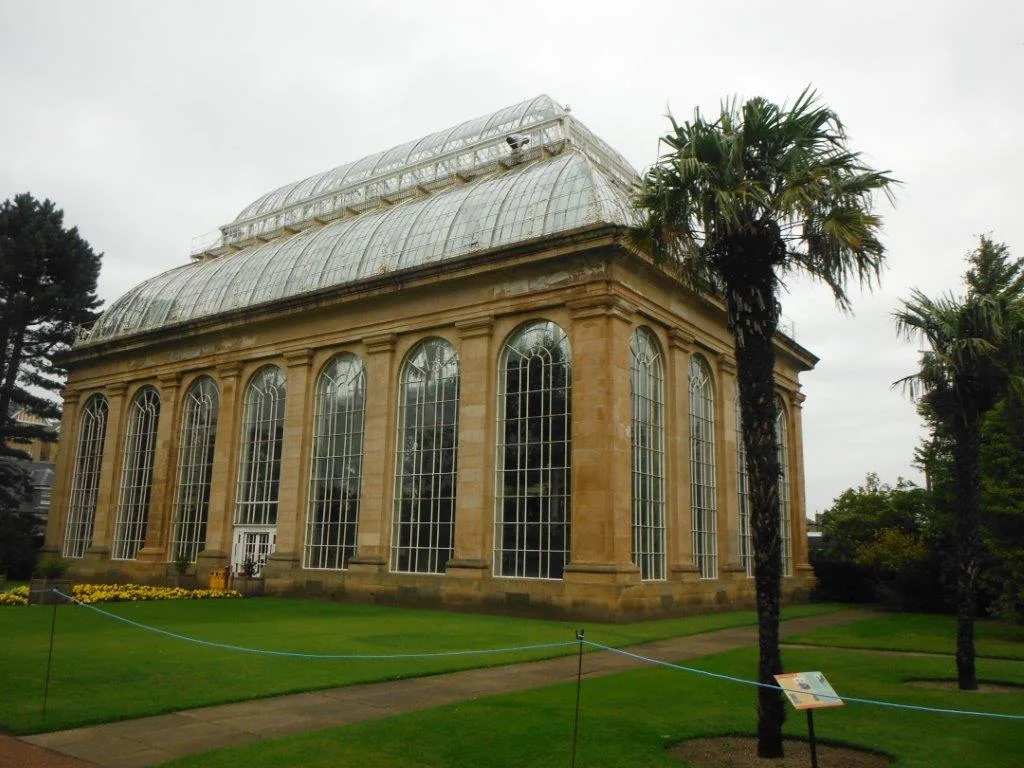


The Royal Botanic Garden Edinburgh (RBGE) is a scientific centre for the study of plants, their diversity and conservation, as well as a popular tourist attraction. Founded in 1670 as a physic garden to grow medicinal plants, today it occupies four sites across Scotland—Edinburgh, Dawyck, Logan and Benmore—each with its own specialist collection.
he Edinburgh botanic garden was founded in 1670 at St. Anne’s Yard, near Holyrood Palace, by Robert Sibbald and Andrew Balfour. It is the second oldest botanic garden in the UK after Oxford’s. The plant collection used as the basis of the garden was the private collection of Sir Patrick Murray, 2nd Lord Elibank, moved from his home at Livingston Peel in 1672 following his death in September 1671.
The Botanic Garden’s main site in Edinburgh is a hugely important player in a worldwide network of institutions seeking to ensure that biodiversity is not further eroded. Located one mile from the city centre it covers 70 acres (28 ha). Nearly 273,000 individual plants are grown at the Botanics in Edinburgh or its three smaller satellite gardens (known as Regional Gardens) located in other parts of Scotland. These represent around 13,300 species from all over the world, or about 4% of all known plant species.
Specialists from Pendrich Height Services, part of PTSG Building Access Specialists Ltd, used rope access techniques to complete a series of glazing repairs at the RBGE. PTSG’s technicians are IRATA-trained. IRATA (Industrial Rope Access Trade Association) is recognised as the world’s leading authority on industrial rope access. It is the association that provides the skills and knowledge required to work at height where ropes and associated equipment are used to gain access to and from the work position, and to be supported there.
Rope access enables our engineers to reach every part of a building quickly, easily and safely. This technique is used in a wide range of repair, maintenance, inspection and installation projects in many sectors and is used extensively in construction and facilities management.